On this page
- 01Identifying Your Target Audience and Key Locations
- 02Creating a Dynamic Route Strategy
- 03Leveraging Technology for Real Time Adjustments
- 04Monitoring Campaign Performance and Audience Engagement
- 05Common Pitfalls in Route Planning and How to Avoid Them
- 06Optimizing Your Route Planning for Future Campaigns
- 07Next Steps for Implementing Your Route Strategy
- 08Frequently Asked Questions About Mobile Van Route Planning
Strategic route planning is essential in mobile van advertising. It ensures your brand message reaches the right audience effectively, maximizing visibility and return on investment.
Effective mobile van route planning enhances brand visibility and audience engagement in several ways:
- Targeted Audiences: By selecting routes that align with your target demographic, you increase the chances of reaching potential customers.
- High Traffic Locations: Routes with busy commercial zones ensure your ads are seen by a larger audience during the day.
- Flexibility: You adapt routes based on real time data, optimizing exposure to key events or peak traffic times.
- Consistent Impressions: Repeated exposure across various locations boosts brand recall, as moving vehicles capture attention more effectively than static billboards.
A well planned route strategy improves visibility and supports measurable outcomes for your campaigns.
Identifying Your Target Audience and Key Locations
Your target audience is crucial for effective mobile van route planning. Identifying key locations where your audience congregates significantly enhances your campaign’s visibility and ROI.
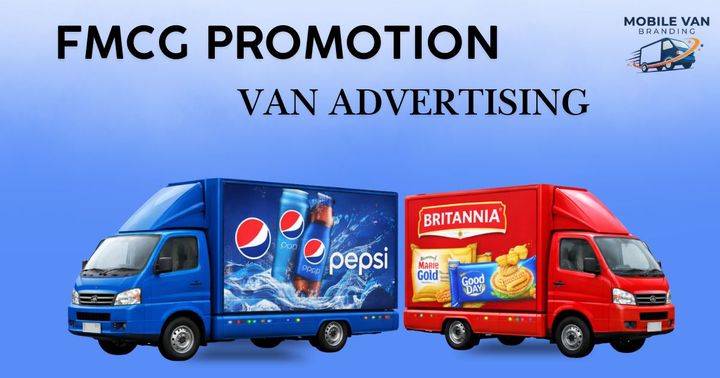
Begin by analyzing demographic data to pinpoint high traffic areas where potential customers are likely to be present. For instance, during FMCG launches, brands often find success in urban markets like Mumbai's Bandra and Andheri, known for their vibrant shopping scenes.
- Utilize foot traffic analytics to select optimal routes that maximize exposure.
- Identify neighborhoods with high concentrations of your target demographics.
- Monitor local events that draw large crowds, tailoring your routes accordingly.
This strategic approach increases the frequency of impressions and ensures that your brand message reaches the right people at the right time, making your mobile van campaign more impactful.
Creating a Dynamic Route Strategy
To maximize reach, visibility, and ROI in mobile van campaigns, effective mobile van route planning is essential. Incorporating local events and peak traffic times into your strategy significantly enhances brand exposure.
Consider Coca Cola's promotional efforts during festivals in Delhi. Their carefully curated routes tapped into high foot traffic areas while aligning with local celebrations. This strategic alignment ensured that their branded vans made repeated impressions on potential customers during the event.
- Utilize local event calendars to identify key dates.
- Engage with community leaders to understand popular routes.
- Balance high traffic areas with less saturated zones for diverse exposure.
This approach boosts visibility and enhances brand recall as consumers see your message multiple times during the day. By prioritizing dynamic route strategies, you ensure that every campaign delivers impactful results and resonates with your target audience.
Leveraging Technology for Real Time Adjustments
In mobile van route planning, technology plays a crucial role in ensuring campaigns reach their target audiences effectively. By utilizing GPS tracking, brands optimize routes on the go, adjusting to real time traffic conditions and audience engagement.
Real time data empowers teams to shift routes dynamically based on where engagement peaks occur. For example, during Amazon's Prime Day mobile promotions, their campaign adjusted routes to areas with higher foot traffic and engagement levels. This flexibility maximizes visibility and enhances return on investment (ROI).
- GPS tracking allows for immediate adjustments to optimize visibility.
- Real time data identifies peak engagement times and locations.
- Dynamically adjusting routes leads to increased interactions with potential customers.
The ability to adapt routes based on live feedback is essential for maximizing reach in any mobile van campaign. It transforms static strategies into dynamic engagements that resonate with audiences across various city landscapes.
Monitoring Campaign Performance and Audience Engagement
Effective monitoring of campaign performance is essential for optimizing mobile van route planning. By establishing clear KPIs, you measure the reach and effectiveness of your campaigns.
Common metrics to track include impressions, engagement rates, and location effectiveness. These metrics help assess how well your advertising resonates with the audience. For instance, a campaign targeting a local educational institute in Bangalore might show significant impressions during peak hours near schools and colleges, revealing optimal times for visibility.
- Impressions: Number of times the ad is viewed.
- Engagement Rates: Interactions (likes, shares) per view.
- Location Effectiveness: Performance based on specific routes.
In practice, measuring success for the educational institute could involve tracking these metrics over a few weeks. Analyzing data from various high traffic areas helps refine future mobile van route planning strategies, ensuring maximum reach and ROI.
Common Pitfalls in Route Planning and How to Avoid Them
Effective mobile van route planning is crucial for maximizing reach, visibility, and ROI. Many campaigns falter due to common mistakes that are easily avoided.
One major pitfall is overlooking audience preferences. If your campaign doesn’t resonate with local interests, engagement drops significantly. Rigid route plans also pose a danger; flexibility allows you to adapt to real time events and traffic patterns. For example, some brands have faced substantial losses when their fixed routes led them away from high traffic areas during peak times.
- Ignoring demographic data results in poor targeting.
- Fixed routes lack adaptability for unexpected circumstances.
- Case studies show brands failing when not adjusting strategies based on audience feedback.
Learning from these examples helps you craft more effective mobile van campaigns. By focusing on dynamic strategies, you ensure your message reaches the right people at the right time.
Optimizing Your Route Planning for Future Campaigns
Successful mobile van route planning is key to maximizing reach, visibility, and ROI in your advertising campaigns. By iterating on past campaign data, you refine future strategies to enhance effectiveness.
Feedback loops from team members and audience insights play a critical role in this process. By analyzing how different routes performed and gathering opinions from your target market, you identify what works best. For instance, a leading FMCG brand adjusted its routes based on customer feedback, resulting in a 30% increase in engagement during their next campaign.
- Review past campaign metrics to identify high performing routes.
- Engage team members for insights on execution challenges.
- Utilize audience feedback to pivot strategies effectively.
A notable example includes an event promoter who shifted their mobile vans into residential areas after initial tests showed higher foot traffic there. This adaptability led to enhanced brand visibility across key demographics.
Next Steps for Implementing Your Route Strategy
Implementing your mobile van route planning strategy requires careful coordination and a clear timeline. This ensures that every aspect of your campaign is covered, from start to finish.
Begin by developing a comprehensive campaign timeline that incorporates detailed route planning. You'll want to define key milestones and deadlines, like creative design finalization and installation dates. Engaging local stakeholders also enhances access and visibility for your campaign. By collaborating with local businesses or community leaders, you can identify high traffic areas and events to maximize exposure.
- Assess your target audience's locations.
- Map out strategic routes based on traffic patterns.
- Engage with local event planners for timely campaigns.
- Adapt based on real time feedback during execution.
Continuous learning is vital in mobile van advertising. Regularly analyze campaign data to adapt strategies effectively. This way, you ensure sustained engagement and optimal ROI during your campaigns.
Frequently Asked Questions About Mobile Van Route Planning
Mobile van route planning is crucial for ensuring your advertising campaign reaches its full potential. Here, we address common inquiries about tools, audience targeting, and success metrics.
What are the best tools for tracking mobile van routes?
Using advanced tracking software significantly improves your mobile van route planning. Many companies utilize GPS based solutions that provide real time data on vehicle locations and traffic conditions. This allows you to adjust routes dynamically to maximize exposure. Some popular tools include:
- Route optimization software: Helps in selecting the most efficient paths.
- GPS tracking systems: Offer live updates on van positions.
- Analytics platforms: Provide insights into audience interactions with ads.
How do I ensure my campaign reaches the right audience?
Your campaign's success hinges on your target demographic. Researching high traffic areas frequented by your desired audience is essential. Collaborating with local businesses or events also enhances visibility with relevant consumers.
What metrics should I focus on to measure campaign success?
When assessing the effectiveness of your campaigns, consider key performance indicators such as impressions, engagement rates, and brand recall. Tracking these metrics allows you to refine future mobile van route planning efforts effectively.
Strategic route planning is essential for maximizing reach and brand visibility in mobile van campaigns. Implementing a well thought out strategy helps brands engage dynamically with their audience across various locations.
Mobile van advertising offers unique opportunities for brands to capture attention in high traffic areas. By focusing on targeted routes, you ensure that your message reaches the right people at the right time. Continuous optimization and real time adjustments to your campaign strategies provide measurable improvements in engagement and return on investment.
- Effective route planning allows for a broader reach, ensuring your message is seen by diverse audiences.
- Brands take advantage of peak traffic times to enhance visibility and recall.
- Monitoring performance in real time enables quick changes to maximize effectiveness.
- Flexibility in campaign duration caters to specific marketing objectives, from short term promotions to long term branding efforts.
Unlocking Potential With Planning
The combination of strategic route planning and mobile van advertising creates a powerful platform for brand exposure. Companies that embrace this approach often notice substantial increases in customer interaction and brand recognition.